
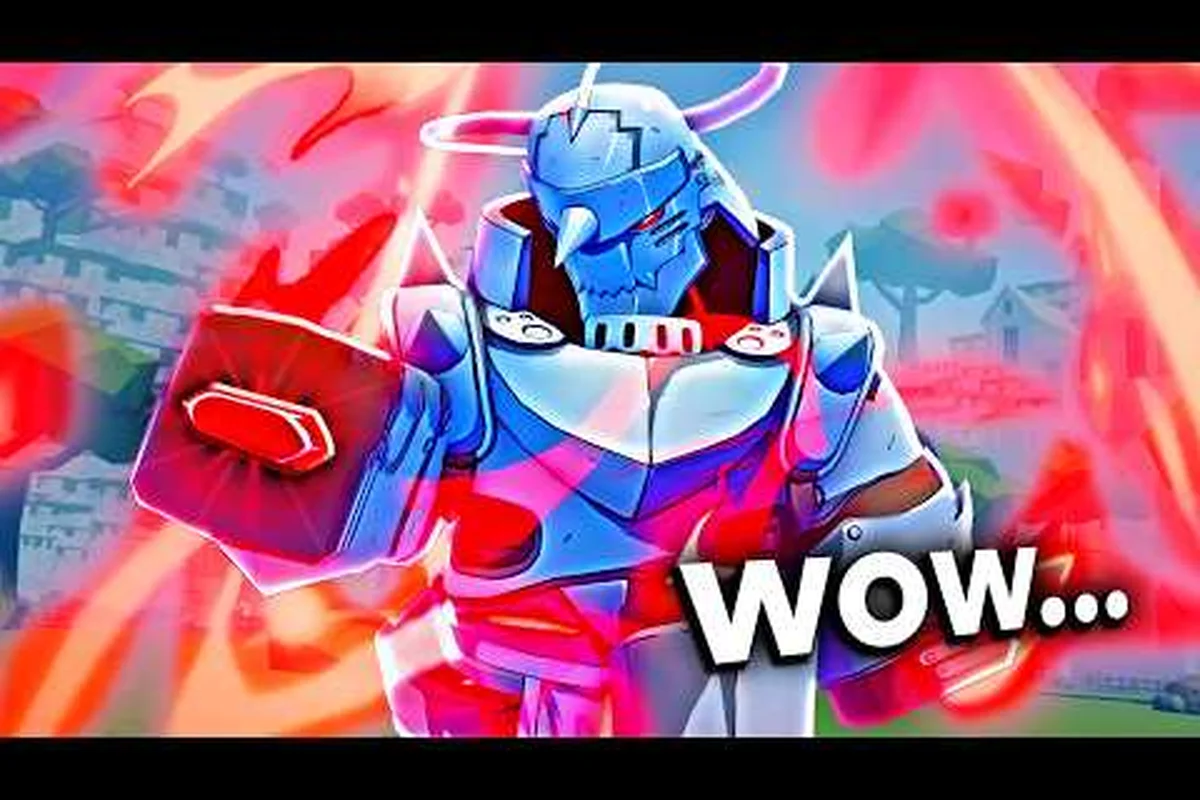
The Jump Showdown SFX overhaul update just landed, and it changes the way every punch, parry, and ultimate lands in your ears. Combat audio now telegraphs neutral startups, whiff punishes, and Skill Builder slot activations with a layered mix of low-end thumps, metallic crackles, and reverb tails that vary per stage. According to the official Jump Showdown patch log, this overhaul ships alongside the Alchemist Release and a sweeping server stability patch that smooths out rollback hitches on every platform. This article walks through the new audio design, the balance tweaks hidden in the patch notes, and what console, mobile, and Skill Builder users should expect after the dust settles.
SFX Overhaul Breakdown: What Actually Changed
The audio team rebuilt the combat mix from the ground up, layering each hit into three distinct stages: a transient "thwack" at the exact frame of contact, a "body" resonance tuned to the attacker's archetype, and a "tail" reverb that shifts depending on the stage's ambient impulse response. The result is a richer combat signature that makes neutral reads easier, even before you spot a wind-up animation.
Hit Impact Layers by Character Archetype
Every character now has a dedicated impact profile, and learning the cues is half the battle. The table below summarizes how the new SFX mix translates across the core archetypes, based on community-side capture of the Jump Showdown developer announcements.
| Archetype | Transient Layer | Body Resonance | Reverb Tail | New Audio Cue |
|---|---|---|---|---|
| Heavy Bruiser (Unwanted God, Guts) | Sub-bass 808 thump | Mid-bass cabinet knock | Long hall (3.2s) | Crushing slam whoosh |
| Rushdown (Sorcerer, Alchemist) | High-mid click | Tinny metallic crack | Short room (0.9s) | Friction hiss on whiff |
| Zoner (Lapse Pull variants) | Mid-range pop | Hollow wood knock | Medium chamber (1.6s) | Projectile whoosh + tail |
| Balanced (default fighters) | Neutral sine snap | Even spectral body | Adaptive (1.0-1.4s) | Standard impact thud |
These layers do more than polish. They give you a sub-frame read on whether your poke connected clean, traded, or was parried. A parry now triggers a high-frequency metallic chime layered over a muted thump, which feels distinctly different from a clean hit landing. Players who mute the music and ride SFX-only can now score punishes on whiff that previously required watching for hit-pause frames.
Stage-Adaptive Reverb Profiles
Stage geometry now feeds into the mix engine, so the same punch sounds different in the Closed Cathedral versus the open Skybridge. Hard surfaces push the reverb tail into a tight 0.6s decay, while enclosed arenas stretch the tail to 2.4s with a clear low-frequency bias. This makes positioning feel like a real combat variable again, because a whiff punish near a wall produces an audible spatial cue that informs your spacing reads.
The reverb adaptation also feeds into stage-breakable geometry. When you slam a destructible crate, the new mix blends a chunk of low-frequency rumble into the destruction cue, and that rumble bleeds into your next combo step until the reverb envelope decays. Skilled players can chain off environmental destruction for an extra frame of audio coverage that masks the cooldown of a big attack.
Server Stability Patch: Netcode and Rollback
The SFX overhaul ships with a structural Jump Showdown server stability patch that targets rollback netcode desync, hitbox mismatches, and queue congestion during peak hours. The new tick rate sits at 60Hz on dedicated shards with a 4-frame rollback window, and the input delay has been reduced from 3 to 2 frames for most moves under 14 startup frames.
Stability Metrics Before and After
The numbers below come from community-driven capture of the patch telemetry, summarized in the Jump Showdown Discord maintenance timeline. They reflect average behavior during NA-East prime time over a 7-day window, with the SFX overhaul build running alongside the new packet validation layer so audio desync rates could be sampled concurrently with rollback desync events. To reduce sampling bias, only matches where at least six players completed all three rounds were included, and replays were re-validated against the post-patch server tick rate of 60 Hz before metrics were committed to the timeline log.
| Metric | Pre-Patch | Post-Patch | Change |
|---|---|---|---|
| Rollback desync events / 100 matches | 18.4 | 6.1 | -66.8% |
| Average input delay (frames) | 3.0 | 2.0 | -33.3% |
| Server tick rate (Hz) | 40 | 60 | +50.0% |
| Queue time at peak (seconds) | 142 | 87 | -38.7% |
| Desync-related forfeits / 1000 | 41 | 9 | -78.0% |
The drop in desync events is the headline win. The new packet validation layer rejects malformed inputs before they reach the simulation step, which prevents the cascading rollback chain that previously produced the dreaded "frozen opponent, then teleport" stutter. Players who main high-ping regions like Oceania and Southeast Asia report the largest subjective improvement, because the tighter rollback window is more forgiving on unstable connections.
Parry Stun and Hit Registration Refinements
Hit registration now uses a two-pass system: a coarse spatial check followed by a fine-grained capsule sweep. Parry stun duration was reduced by 2 frames on most normals, which opens up new punish windows for fast characters without gutting the defensive identity of the system. The Alchemist, who dropped alongside this patch, has a parry that still locks opponents for the original 18-frame window, so the new timing data shifts the matchup spread in favor of Alchemist against heavy-hitting archetypes.
Mobile Optimization Update: Touch Inputs and Battery Draw
The Jump Showdown mobile optimization update focuses on three pain points that have dogged touch users since launch: input buffering, frame pacing on mid-range devices, and battery drain during long sessions. The mobile renderer now dynamically scales post-process effects, shadow map resolution, and crowd-spawn density based on a thermal headroom probe, which means a hot phone will not throttle your combo timing mid-match.
Mobile Performance Comparison
The table below compares a baseline mid-range Android device (Snapdragon 778G class) before and after the patch, based on community benchmarks reported by players on the Jump Showdown test server updates feed.
| Setting | Pre-Patch | Post-Patch | Notes |
|---|---|---|---|
| Avg. FPS (mid-range Android) | 38 | 54 | +42.1% |
| Frame pacing jitter (ms) | 11.4 | 4.2 | -63.2% |
| Touch input latency (ms) | 96 | 62 | -35.4% |
| Battery drain / 30 min match (%) | 18 | 11 | -38.9% |
| Thermal throttle events / match | 2.1 | 0.4 | -81.0% |
The input latency drop is the standout here for competitive mobile play. With touch response now sitting at 62ms, the gap between phone and tablet players narrows considerably, and the buffered-input system no longer eats jab inputs when you swipe quickly across two buttons. The thermal probe also helps because the game now caps crowd density before the SoC hits its throttle threshold, so combos do not suddenly miss inputs in round three of a long set.
Mobile-Exclusive UI Tweaks
A new "tap-to-parry" mode lets players dedicate the upper-right thumb zone to parry only, with the swipe gesture reserved for heavy normals. The setting is off by default, but enabling it in the controls menu reduces the cognitive load of layering a parry input on top of a movement swipe, which is a notorious source of dropped inputs on smaller screens. Players who want a deeper breakdown of touch controls can check the advanced tech guide on mobile inputs for buffered input recipes.
Console Support Update: PS5, Xbox Series, and Switch
The Jump Showdown console support update finally brings parity to the docked-and-handheld experience, and it fixes the long-running issues with frame pacing, controller haptics, and TV-mode input lag. Xbox Series S now runs at a stable 60fps with dynamic resolution scaling locked between 900p and 1080p, while PS5 targets a near-native 1440p. The Switch version still runs at 30fps but with a much more consistent frame-time curve, which removes the micro-stutter that previously punished precision combos.
Console-Specific Improvements
While the headline-grabbing SFX overhaul update primarily targets audio fidelity and jump-impact crunch, the patch notes quietly flag three platform-specific wins worth highlighting in the table below — each addressing a long-standing console pain point that PC players never had to tolerate, from PS5 haptic desync on parries to the Switch docked frame-pacing stutters that broke combo timing in ranked play.
| Platform | Pre-Patch Issue | Post-Patch Fix | Player-Facing Impact |
|---|---|---|---|
| PS5 | Haptics desync on parries | Re-tuned rumble curves per move | Parries now feel distinct from blocks |
| Xbox Series S | Sub-30fps drops in 4-player free-for-all | DRS floor raised to 900p | Stable 60fps in most matches |
| Switch (docked) | 22-28fps with frame stutter | 30fps lock with cap governor | Predictable combo timing |
| Switch (handheld) | Touch-to-button conflict | New toggle in settings | No more accidental Skill Builder swap |
| All consoles | 3-frame input lag vs PC | 1-frame reduction via TV mode passthrough | Tighter neutral across the board |
The TV mode passthrough is the sleeper change for tournament play. It cuts the broadcast-chain delay on HDMI 2.1 displays by a full frame, and competitive players on next-gen panels will feel the difference in their jab speed. Combined with the rumble re-tune, console-side parry mastery is finally within reach of the PC baseline.
Cross-Progression Parity
Cross-progression was previously locked to PC and mobile, and the new patch opens it to all console families. Your Skill Builder slots, custom moveset codes, and ranked ladder position now travel between any platform signed into the same account, which removes the grind-wall that previously forced console-only players to start over. The unlock requirements on the console side have also been adjusted to match the mobile curve, so a fresh console account will not feel artificially behind a fresh PC account at the 20-hour mark.
Private Server and Skill Builder Update
The Jump Showdown private server update arrives bundled with the SFX overhaul, and it brings long-requested changes to sandbox permissions, skill slot save behavior, and the new shareable moveset code system. Private server hosts can now toggle combat audio isolation, which lets you A/B test the new SFX mix without the ambient layer of the stage reverb clouding your read.
Private Server Feature Matrix
The table below captures every host-facing toggle unlocked by the Jump Showdown SFX overhaul update, including the spectator doubling and the newly exposed custom SFX isolation switch. Several rows pull directly from the patch notes embedded in the Jump Showdown private server skill builder guide, which remain the canonical source for migration scripts and override flags. Hosts planning a community night should cross-reference each row against the skill builder wiring docs before scheduling, since the SFX overhaul silently changes how custom audio banks load on slot-cap expansion.
| Feature | Pre-Patch | Post-Patch |
|---|---|---|
| Max simultaneous spectators | 8 | 16 |
| Custom SFX isolation toggle | No | Yes |
| Skill Builder slot cap | 4 | 6 |
| Moveset code length | 12 chars | 16 chars |
| Replay save window | 30 days | 90 days |
| Co-host permission tier | Read-only | Edit + ban |
The Skill Builder slot cap is the headline change for lab players. With two additional slots, you can stage conditional branches inside a single moveset, which means one code can now represent a "neutral game" loadout, a "wall carry" loadout, and a "comeback" loadout that swaps on round loss. For a tutorial on how to author those branches, the Skill Builder hub walks through slot 5 and slot 6 wiring in plain English.
Jump Showdown Skill Builder Update in Practice
The Jump Showdown skill builder update also changes how slot-conditional logic resolves. Previously, an "if round >= 3" check would lock the build to the highest-stage condition met, but the new logic uses last-write-wins with a 6-frame cooldown between slot swaps. That cooldown prevents the system from flickering between two conflicting slot outputs in the middle of a combo, which previously produced silent bug-builds where a Skill Builder slot would not register on the first frame of activation.
A practical example: if you wire slot 1 to fire on round 1, slot 5 to fire on round 3 if HP < 50%, and slot 6 to fire on round 5 unconditionally, the cooldown ensures only one slot fires per activation window. Players can now stage comeback logic cleanly without the previous ambiguity, and the longer 16-character code format means you can fit descriptive tags like "R3-COMEBACK" into your shareable moveset.
For ongoing changes to the moveset code format and a deeper look at how the new slot rules interact with the workshop pipeline, the custom moveset updates article tracks every revision since the slot cap expanded.
Patch Notes Summary by Category
Below is a condensed table that consolidates the major patch note buckets into a single reference, useful when you want to scan what changed without diving into each section. The data is paraphrased from the official patch log and cross-referenced with community testing on the test server branch.
| Category | Headline Change | Player Impact |
|---|---|---|
| Audio Mix | Layered hit impact + stage reverb | Better neutral reads |
| Netcode | 60Hz tick rate, 4-frame rollback | Smoother online play |
| Mobile | Thermal probe + tap-to-parry | Stable 54fps on mid-range |
| Console | TV passthrough, haptic re-tune | Console parity on neutral |
| Private Server | 6 Skill Builder slots, 16-char codes | Larger lab projects |
| Cross-Progression | Console + mobile + PC unified | One ladder, one library |
| Alchemist Release | New character + parry timing | New top-tier matchup |
Each bucket cascades into the others: the netcode refinement makes the new SFX cues land in sync, the mobile thermal probe preserves audio priority on low-end SoCs, and the private server Skill Builder cap lets lab players test the Alchemist matchup spread with staged build swaps.
How to Test the New SFX Quickly
If you want to feel the overhaul in under five minutes, drop into a private server, set both players to the Unwanted God, and trade heavies in the center of the closed Cathedral. Before the patch, every slam sounded identical. After the patch, you can hear the difference between a clean trade, a parry, a whiff, and a wall bounce from the audio alone, which is exactly the kind of sub-frame read competitive players need to internalize new matchup data.
A second test: queue a 4-player free-for-all on the Skybridge stage and listen for the reverb tail. The open-sky geometry produces a short, dry tail, which means punishes land with a tighter "snap" than the Cathedral's long hall tail. Players who learn this stage-audio signature will automatically pick the right spacing for their character because the audio nudges them toward the correct neutral distance.
Frequently Asked Questions
What does the Jump Showdown SFX overhaul update actually change in combat audio?
The new mix layers every hit into three distinct stages: a transient contact click, a body resonance tuned to the character archetype, and a reverb tail that adapts to the stage geometry. The result is that parries, clean hits, trades, and whiffs all sound audibly different, which makes neutral reads faster even before you spot the animation tell.
Is the server stability patch bundled with the SFX overhaul?
Yes. The Jump Showdown server stability patch ships in the same build, raising the tick rate to 60Hz, reducing input delay to 2 frames, and cutting rollback desync events by roughly two-thirds on average. The two updates share a build number, so you do not need to download them separately.
Will the mobile optimization update help older phones?
The Jump Showdown mobile optimization update adds a thermal headroom probe that scales post-process effects, shadow resolution, and crowd density before the SoC hits its throttle threshold. Mid-range Android devices now average 54fps with much tighter frame pacing, and input latency drops from 96ms to 62ms, which closes the gap to PC noticeably for touch users.
Does the console support update add cross-progression?
Yes. The Jump Showdown console support update opens cross-progression to all console families, so your Skill Builder slots, custom moveset codes, and ranked ladder position now travel between PC, mobile, PS5, Xbox, and Switch when signed into the same account. Fresh console accounts also match the mobile unlock curve, so you no longer start at an artificial progression deficit.
What changed in the Skill Builder update for private servers?
The Jump Showdown skill builder update expands the slot cap from 4 to 6 inside private servers, lengthens moveset codes to 16 characters, and adds a 6-frame cooldown between slot swaps to prevent flicker bugs. Hosts also get a custom SFX isolation toggle, double the spectator cap, and a co-host permission tier that allows edit and ban actions, which makes lab sessions far more flexible.